

Why Can’t I Lose Weight? The Science Behind a Common Struggle
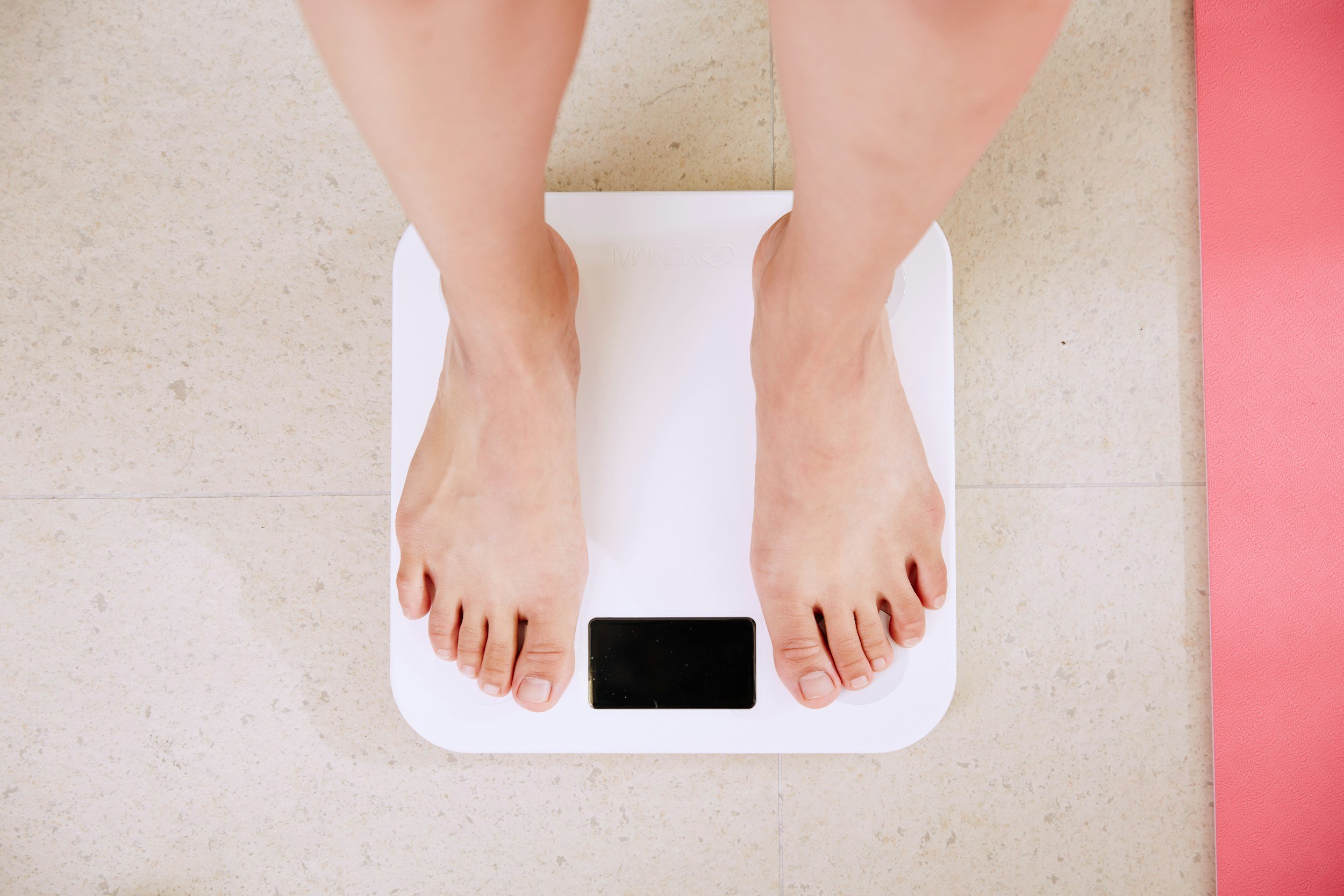
If you’ve been eating healthier, exercising regularly, and still not seeing the number on the scales budge, you’re not alone. Many people experience a weight-loss plateau or find it incredibly difficult to shed excess weight - and there’s often more to it than “calories in vs. calories out.”
Here’s what the science tells us about why weight loss can stall, and how professional support from our nutritionist and dietitian at Epoch Health can help.
1. Your Metabolism May Have Slowed Down
When you lose weight, your body adapts by reducing the number of calories it burns at rest - a process known as adaptive thermogenesis. Research shows that after weight loss, metabolism can drop more than expected for your new body size, making further loss more difficult.
Tip: This is where strategic calorie cycling or adjusting your macronutrient balance under professional guidance can help reignite progress.
2. Hormonal Factors Play a Big Role
Hormones like insulin, cortisol, leptin, and ghrelin can affect hunger, fat storage, and metabolism.
Insulin resistance can make it harder for your body to use fat for fuel.
Cortisol, your stress hormone, can promote abdominal fat storage.
Changes in leptin and ghrelin after dieting can increase hunger and cravings.
Science says: Addressing hormonal imbalances with the right nutrition and lifestyle strategies can improve your body’s responsiveness to weight loss efforts.
3. You Might Be Losing Fat But Not Weight
If you’ve started strength training, you might be gaining lean muscle while losing fat - which is a good thing. Muscle is metabolically active tissue that supports long-term weight control, even if the scale doesn’t reflect a big drop.
4. Sleep and Stress Can Stall Fat Loss
Studies show that poor sleep can disrupt glucose metabolism and increase hunger hormones, while chronic stress elevates cortisol - both making it harder to lose weight.
Practical takeaway: Improving sleep quality and managing stress is just as important as diet and exercise.
5. Nutrition Quality Matters More Than Quantity Alone
Not all calories are created equal. Highly processed, low-nutrient foods can trigger insulin spikes, cause cravings, and impact gut health, all of which can affect weight regulation. A balanced diet rich in whole foods, fibre, and quality protein has been shown to improve satiety and metabolic health.
6. Medical Conditions Can Interfere
Conditions such as hypothyroidism, PCOS, perimenopause/menopause, and chronic inflammation can make weight loss more challenging. Identifying and managing these factors is key to seeing results.
How We Can Help at Epoch Health
At Epoch Health, our Accredited Practising Dietitian, Anthea Lee, and Clinical Nutritionist, Kathryn, take an evidence-based approach to weight management.
They assess your individual metabolism, hormones, diet quality, and lifestyle
They create tailored, sustainable nutrition plans to support fat loss while preserving muscle
They guide you through plateau-busting strategies that align with your health needs
You don’t have to figure it out alone. With professional support, weight loss becomes less of a frustrating mystery and more of a personalised, achievable journey.
💬 Book a consultation today with our dietitian or nutritionist at Epoch Health, and take the next step towards sustainable weight loss.