

Feeling Wired, Jittery or Chronically On Edge? It Could Be Hyperstimulation
Understanding the hidden effects of long-term stress and how Epoch Health can help you recover.
When people think of anxiety, they often picture racing thoughts, worry, or panic attacks. But for many, anxiety shows up as a wide range of physical symptoms—tight muscles, dizziness, digestive issues, or even numbness—without feeling particularly “stressed.”
If this sounds familiar, you may be experiencing hyperstimulation—a state where your nervous system is stuck in overdrive.
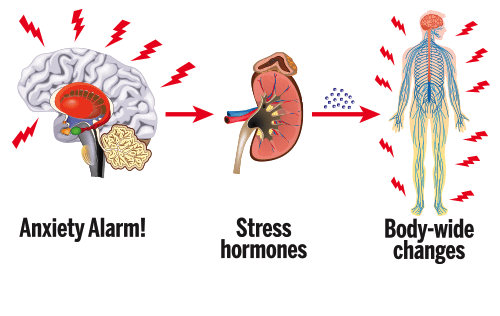
What is Hyperstimulation?
Hyperstimulation happens when the body’s stress response system (fight-or-flight) is activated too often or for too long. This can be triggered by:
Ongoing emotional stress
Lack of proper rest
Unprocessed trauma
Constant stimulation (phones, noise, work demands)
Unresolved anxiety
Over time, your nervous system becomes hypersensitive—even if you’re not consciously anxious, your body still reacts like it’s under threat. That’s why symptoms can feel random, intense, or difficult to explain.
Common Symptoms of Hyperstimulation
You may experience:
Muscle twitches, tightness, or shakiness
Lightheadedness or dizziness
Unexplained fatigue
Digestive discomfort (bloating, nausea, cramps)
Heart palpitations
Insomnia or restless sleep
Heightened sensitivity to sound, light, or touch
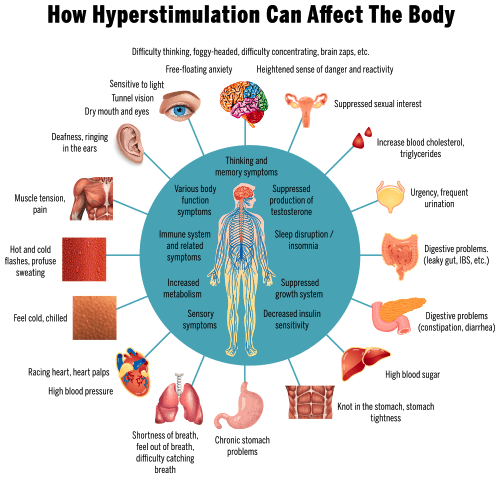
At Epoch Health, we regularly see patients who are frustrated by persistent symptoms like these—often after medical tests come back “normal.”
How to Recover from Hyperstimulation
The good news? Hyperstimulation can improve. But because the nervous system needs time and safety to reset, the process isn’t instant. It requires a whole-body approach to calm the system and rebuild resilience.
At Epoch Health, we recommend a combination of:
🧘♀️ Chiropractic Care – to reduce physical tension, restore spinal balance, and support nervous system regulation
💆♂️ Remedial Massage – to calm the body and release built-up muscle tension
🍎 Nutrition Support – to strengthen adrenal and neurological function
🧠 Counselling – to unpack stress patterns and reframe anxiety responses
🏡 Lifestyle Adjustments – including better sleep routines, digital boundaries, and deep breathing practices
A Gentle Reminder
Symptoms of hyperstimulation aren’t “all in your head.” They’re real signs that your body has been under pressure for too long. Instead of fearing the symptoms, view them as a call to slow down, reset, and heal.
At Epoch Health, we’re here to guide you every step of the way—with care that addresses the root, not just the symptoms.
Let’s Reset Your Nervous System—Together
Our team of chiropractors, massage therapists, nutritionists and counsellors are ready to support your journey toward a calmer, clearer, more resilient you.
📞 1300 887 513 Book an appointment at Epoch Health today
📍 Locations in Dundas Valley & Telopea